Explore my visual resume below, scrolling down will take you further back in time.
Haven-1
Vast Space, May 2025 – June 2026
Starship
SpaceX, January 2020 – January 2026
Liquid Propulsion Laboratory [Student Lab]
University of Southern California, September 2018 – April 2019
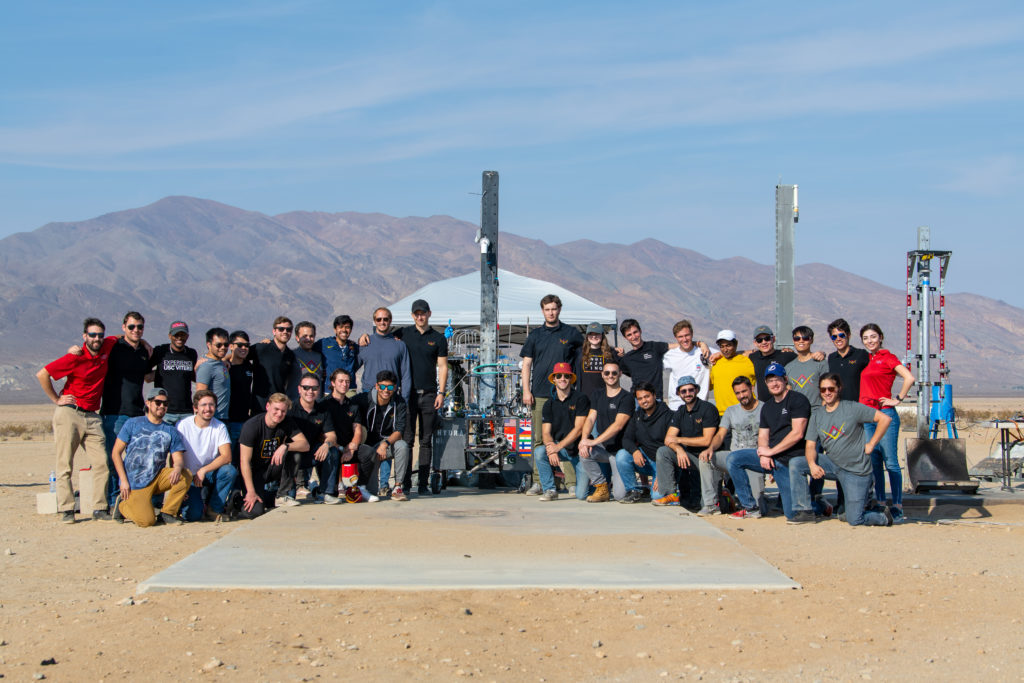
I joined the Liquid Propulsion Laboratory at USC shortly after becoming an on-campus student. I wanted to get my hands on some real hardware and learn what rocket engines are really like.
DAQ Engineer
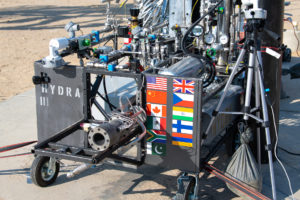
My first role in the lab was as a DAQ engineer. I was responsible for a data acquisition box which we shared between the two test stand our lab had. As part of this role I also became responsible for the LabView programs which ran the stands. The previous student who had owned this had graduated and not left much to learn from. I broke the LabView program during my first week in the lab and had to rush to fix it for upcoming testing the in following two weeks. I think this experienced shaped how I approach problems in general. You have to get in the weeds to really know things, and the best way to learn is to be left alone, break something, and fix it.
The DAQ box was littered with problems, as it had been moved around between the stand and rewired constantly. As the responsible engineer, there was no one directing me to any specific fixes. Early on, the box would fail during setup of tests (sensors losing connection, data logging at incorrect times, etc). The ask was always to fix it, and I got to figure out how best to do that.
Lead Engineer
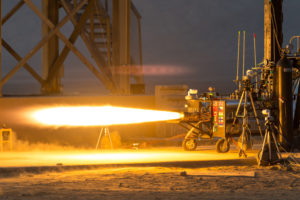
After my first year in the lab, I was promoted to lead. The structure of the lab was 2 overall leads above several project leads, and the rest of the lab organized below those. I was selected as one of the overall leads.
I could not have predicted how complicated this experience would get. Shortly before taking the lead role, the lab had a near miss safety incident. Once I had taken the role, we were placed on hold for all testing and it was my and the other co-lead’s job to figure out how to get us back on track. We worked with the university’s EHS team to make sure we could continue to make progress. I appointed a project lead for lab safety (a role previously missing) and we were approved to continue working with our partner university on an engine that was not being tested on site. It was incredibly challenging to maintain progress and help the members of the lab get valuable experience, while undergoing the review. We were ultimately successful, and I am grateful that we had the help of the EHS team to fill our gaps and keep us all safe.
Hyperloop Team Codex [Student Project]
Oral Roberts University, February 2016 – May 2017
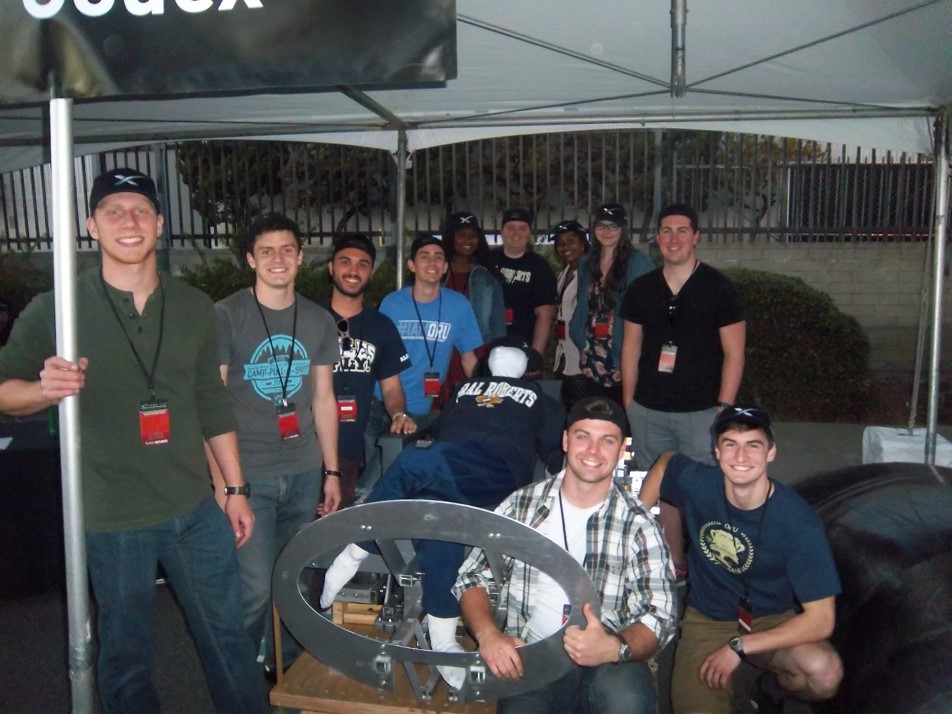
When I was in my third year of my bachelors’ degree, one of the students at my university entered in SpaceX’s first Hyperloop competition.
The Hyperloop Competition all started with an idea and a disdain for traffic. Elon Musk’s 2013 white paper on the possible new technology sparked an interest in students and professionals alike around the world. So in 2016, when SpaceX announced that they would be holding a competition for team to design a vehicle, the students at my university jumped to it. Armed with ideas and the determination to finish, we set out to design a vehicle to operate in a near vacuum and travel near the speed of sound, although later the speed would be knocked down to a maximum of 270 mph.
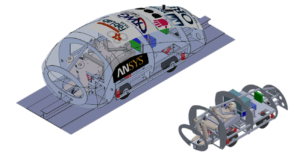
Team Codex, from Oral Roberts University in Oklahoma, competed with over 1200 teams during the initial design competition and was selected to continue, along with only 30 other teams from places like MIT, Texas A&M, and UC Berkeley.
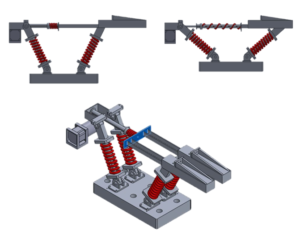
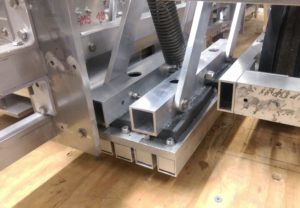
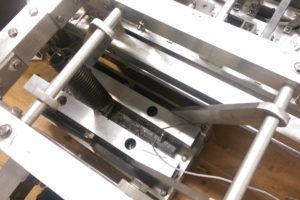
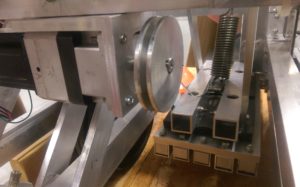
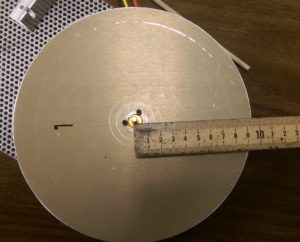
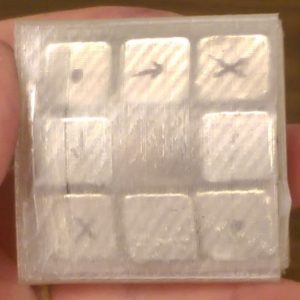
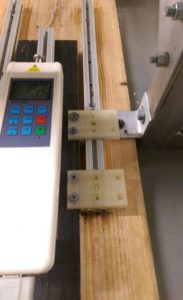
From there the work really picked up. As team captain from August 2016 to May 2017, I had a large range of responsibilities. I handled the design and manufacturing of the levitation system, as well as design, conducted and analysed data from tests to ensure the magnetic systems would function.
Magnetic System Testing
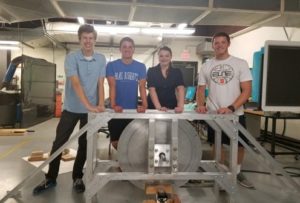
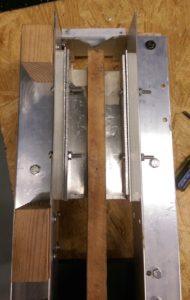
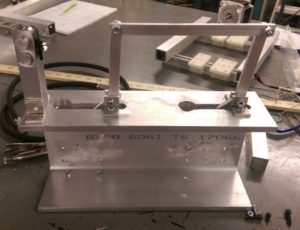
Levitation System Design and Manufacturing