Space inspired me from a young age, like most people who ultimately end up in the aerospace engineering. As I grew up, the interstellar fantasies turned to real interest in the harsh engineering environment of spacecraft and launch vehicles. Even after several years in the industry, I am still amazed by the depth and the technical rigor it takes to engineer things to go to the extremes of temperature and mechanical stresses required.
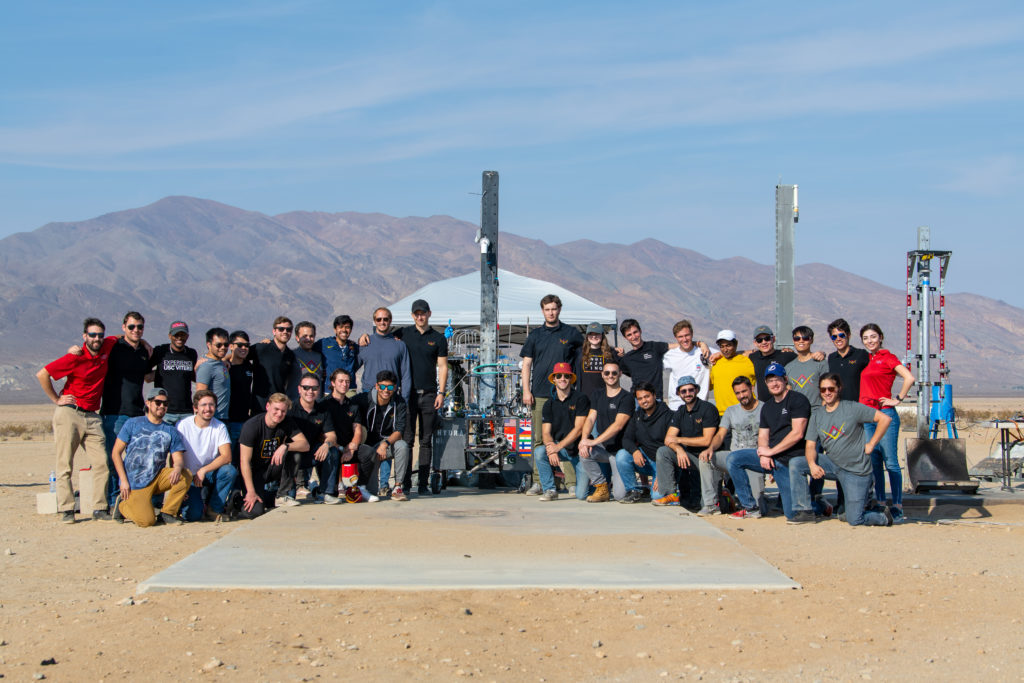
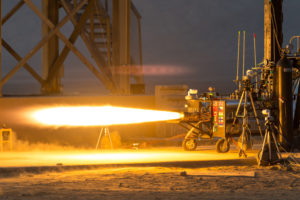
After completing my B.S. in Engineering, I pursued an M.S. in Astronautical Engineering at the University of Southern California. While there I was able to start working on a rocket engine for the first time. I still remember our first engine firing. We had spent months working through cold flow tests to validate our test stand and characterize our engine. The intent was to run for 7 seconds. I had never felt the urge to shout for excitement before, but I couldn’t contain myself when I saw the engine light up from the bunker. It was transformative. I had considered getting a Ph.D. after the masters, but chose to go into the industry so I could get more hands on faster.
After graduating with my masters, I went to work at SpaceX — a pie in the sky goal from when I was in college. I started full time in January 2020 in Boca Chica, TX, with Starship serial number 1. It was indescribable. The pace was insane, the days were endlessly long, and the learning was equally endless. My first role there was as a build engineer in integration, which meant essentially our team was responsible for getting all the parts on the rocket in time for launch. It was a dream role for me as a new engineer because I got to talk to all the designers of the different systems and learn about how the rocket worked and best practices of engineering at SpaceX. This gave me the perfect opportunity to learn what I could be interested in next. I moved to the Stage Propulsion Design team after 1.5 years in build. I was finally in the drivers seat that had interested me for so long: facing the harsh environments head on in my designs. It was brutal, but exciting. After 3 years at SpaceX, I was starting to feel the long hours. I had one more dream role that I wanted to explore. I moved to the Raptor Flight Operations team. This was the team that was in mission control on console during launch and other integrated operations. I had watched from afar through my whole time there, wishing I could be “in” on the problems they got to solve. Finally I had gotten there, and I was right. Flight operations, especially of a development rocket, is an insane brand new problem generator. I was lucky enough to be on console for flight 1-7. It was amazing, but still the hours weighed on me. I left SpaceX after 5 years, exhausted and proud.
After SpaceX, I wanted to continue to work on spacecraft, but something different than I had done before. I was chasing new learning opportunities. I turned to Vast, a company working on making a commercial space station. I had never worked on human spaceflight before, so this intrigued me. I started there as a structures test engineer — a role I had not done before, but was interested in. I thought I could make a good impact with my experience in test operations. It was great to be so hands on again. I had joined at an opportune time to work on the structural tests of the new vehicle, Haven-1. After a few months there, I had the opportunity to move into a leadership role: tube shop engineering manager. I had worked with the tube shop extensively in my build engineer and stage prop design roles, so I felt confident I could face this new challenge. It was intense, but we fought through our first goal of delivering the thermal coupling tubes on time. After a year at Vast I wondered,
is this what I want to do?
And I think I am still answering that question. I am certainly open to doing more engineering, many of my best memories are from what I was able to build during my career and who I got to build it with. I left Vast in June 2026, and have been exploring creative ventures. People aren’t one thing, and life is only so long. Be multidimensional; explore the options.
Projects
Liquid Propulsion Laboratory
September 2018 – April 2019
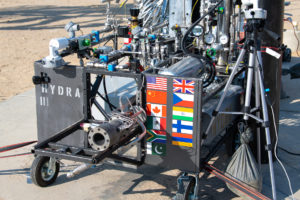
The liquid propulsion laboratory at USC allowed me to get into rocketry for the first time. I worked with a kerosene/gox engine, taking it through several tests to ready the engine and mobile test stand for a firing.
James engine set up for a hot fire testSuccessful James firing
Hyperloop Team Codex
February 2016-May 2017
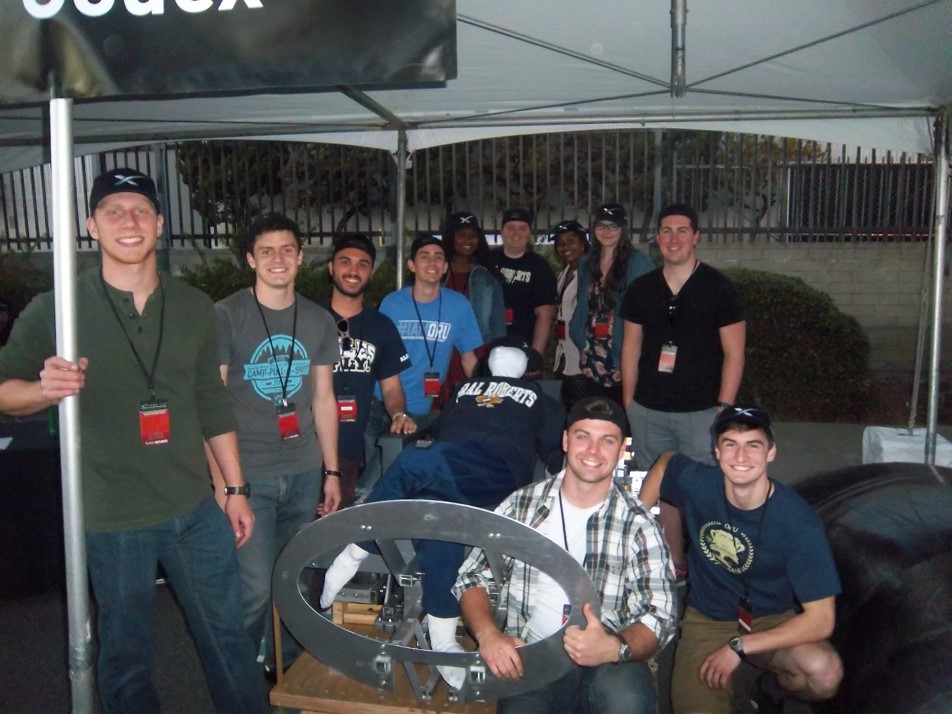
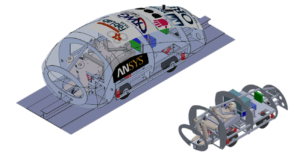
The Hyperloop Competition all started with an idea and a disdain for traffic. Elon Musk’s 2013 white paper on the possible new technology sparked an interest in students and professionals alike around the world. So in 2016, when SpaceX announced that they would be holding a competition for team to design a vehicle, the students at my university jumped to it. Armed with ideas and the determination to finish, we set out to design a vehicle to operate in a near vacuum and travel near the speed of sound, although later the speed would be knocked down to a maximum of 270 mph.
Team Codex, from Oral Roberts University in Oklahoma, competed with over 1200 teams during the initial design competition and was selected to continue, along with only 30 other teams from places like MIT, Texas A&M, and UC Berkeley.
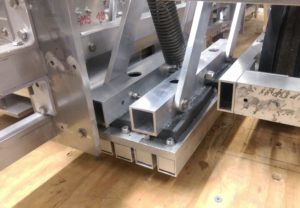
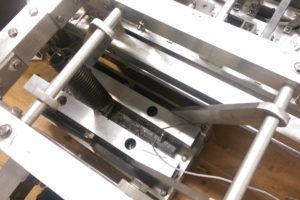
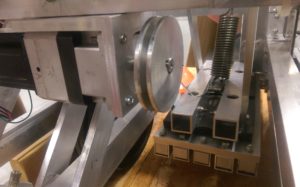
From there the work really picked up. As team captain from August 2016 to May 2017, I had a large range of responsibilities. I handled the design and manufacturing of the levitation system, as well as design, conducted and analysed data from tests to ensure the magnetic systems would function.
Magnetic System Testing
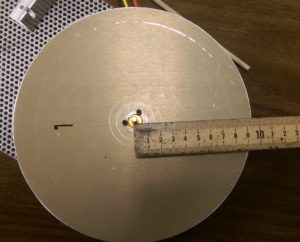
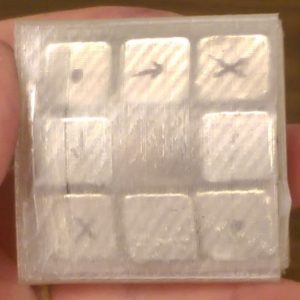
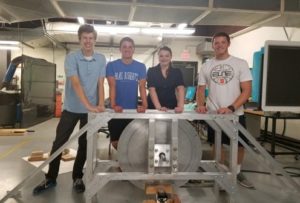
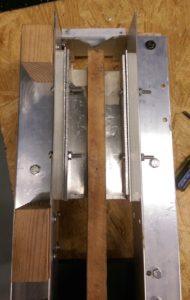
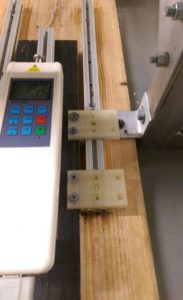
Small disk for initial magnetic force measurementsPrototype levitation array used with small disk, 1.5″ x 1.5″Large test disk for full scale magnetic testingTest rig for magnetic brakingForce gauge used during testing, on a sliding track to allow for different gap distancesPrototype magnetic brake test frame
Levitation System Design and Manufacturing
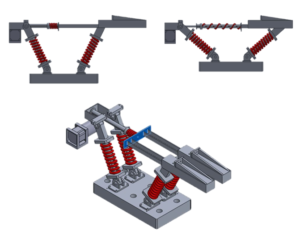
Initial solid model of levitation systemLevitation system, fully raisedTop view of attached levitation arrayStepper motor for levitation system
ASME SPDC Student Design Competition 2016
January 2016-December 2016
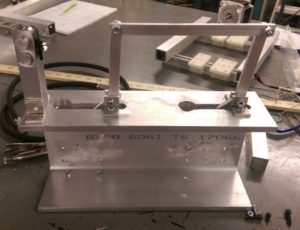
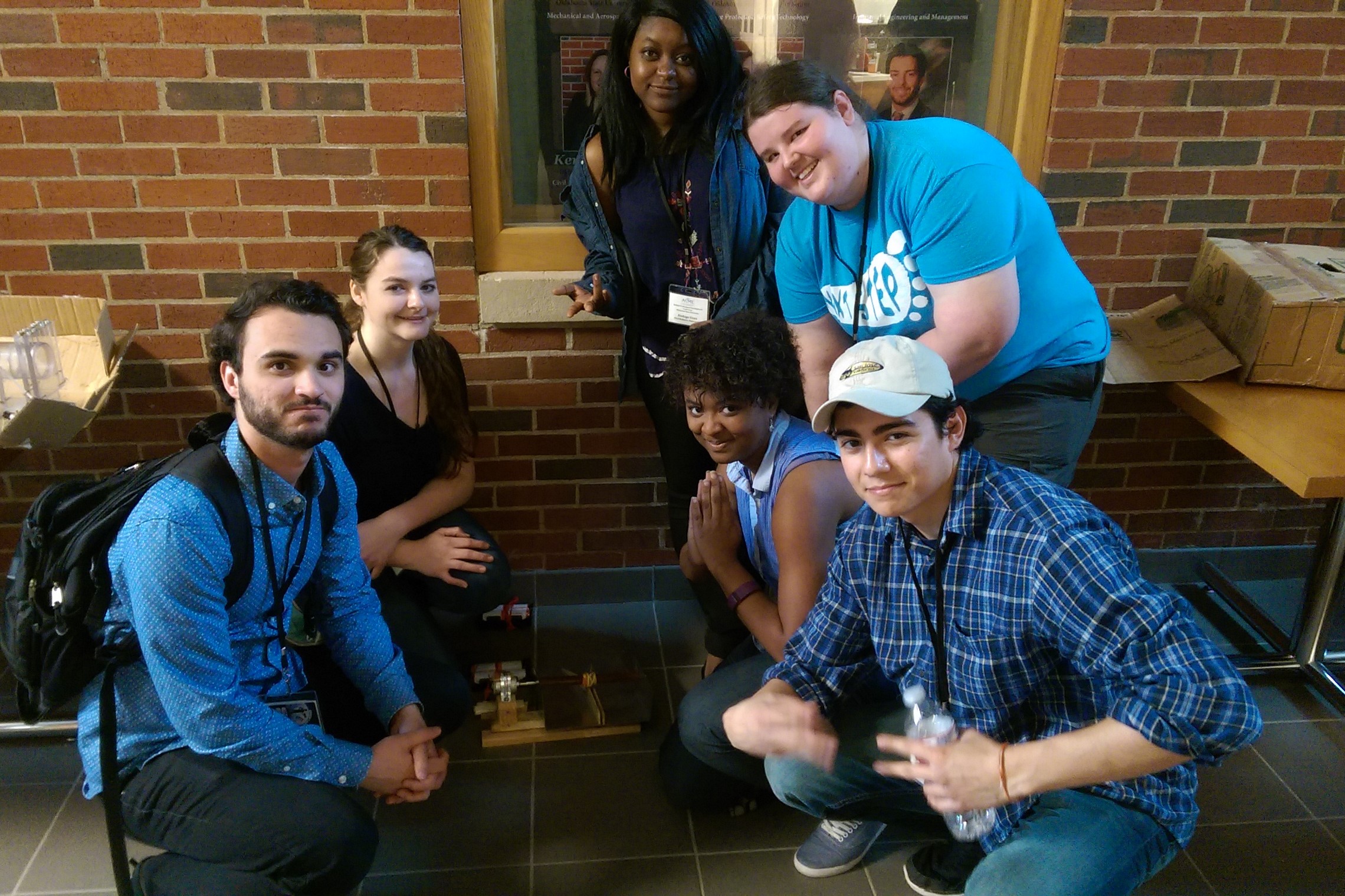
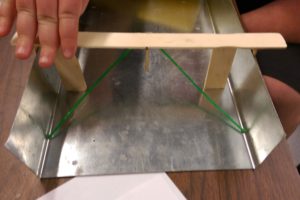
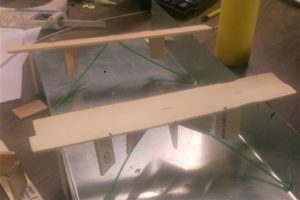
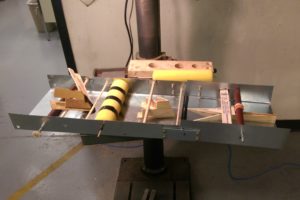
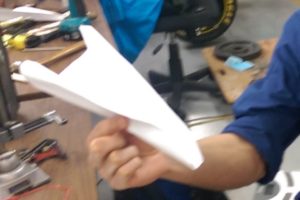
In 2016, the ASME Student Professional Development Conference design competition was an open-ended challenge to design a device to send a piece of paper as far as we could. My team decided that the most efficient way to do this was to manufacture a machine to fold the paper into a paper airplane that could be shot from the front of the device.
Our original design consisted of a tray that the paper would be manually fed into and then it would be folded by a combination of wires and wooden guides.
First folderFirst and second foldersFinal DeviceFirst plane produced by the device
Skills & More
Private Pilot
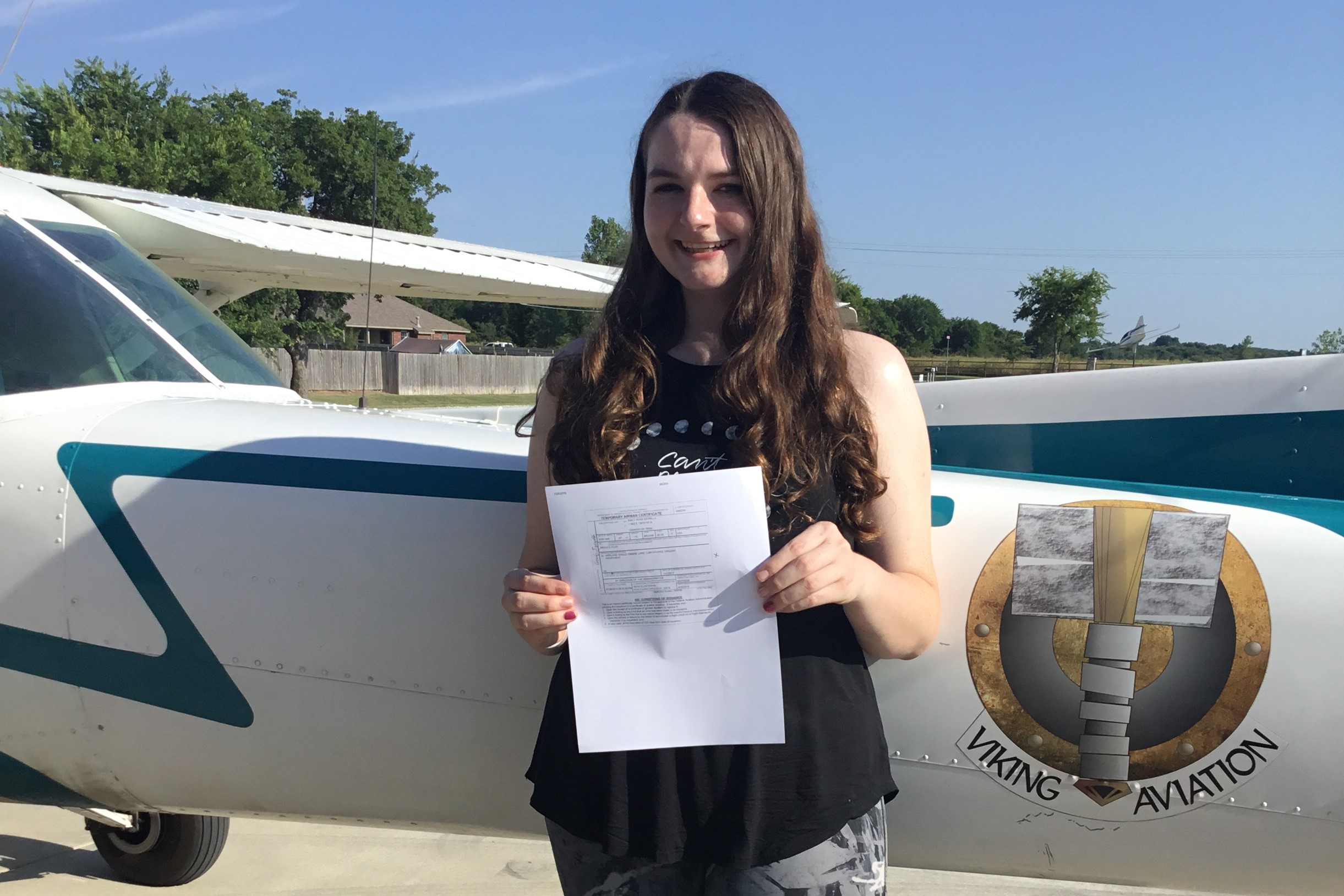
I obtained a private pilot certificate on July 25, 2018. To date, I have logged 75.3 flight hours. I plan on continuing to fly and obtaining an instrument rating. My experience as a pilot has helped me to understand the importance of situational risk management and checklists.